A BCBS claim lands in your denial queue with a timely filing reason. The ERA doesn't tell the billing lead which Blue affiliate's rule applied, whether the member's product changed the clock, or whether the payer is


A BCBS claim lands in your denial queue with a timely filing reason. The ERA doesn't tell the billing lead which Blue affiliate's rule applied, whether the member's product changed the clock, or whether the payer is

A specialty clinic can do everything right clinically and still lose revenue before the claim reaches the payer. A patient arrives for a planned procedure, the insurance card looks current, and the policy returns as active. Later,

The most common advice about medical coding errors is to retrain the coder and move on. That advice is incomplete. A coder can follow the guidelines, select a clinically plausible code, and still submit a claim that

You're usually reading about how to verify insurance because something already broke. A claim denied for inactive coverage. A surgery that should've been authorized but wasn't. A payer that insists the patient was out of network at

A claim can fail after a clinically appropriate service, accurate documentation, and correct coding because one identifier doesn't match the payer's record. The patient was seen, the procedure was performed, and the practice did its work. Yet

The same denial-prevention playbook can't serve anesthesia, IONM, oncology, or air ambulance providers. Their revenue depends on different combinations of time capture, procedure coding, authorization, credentialing, medical-necessity evidence, payer contracts, and post-payment variance review. That difference is
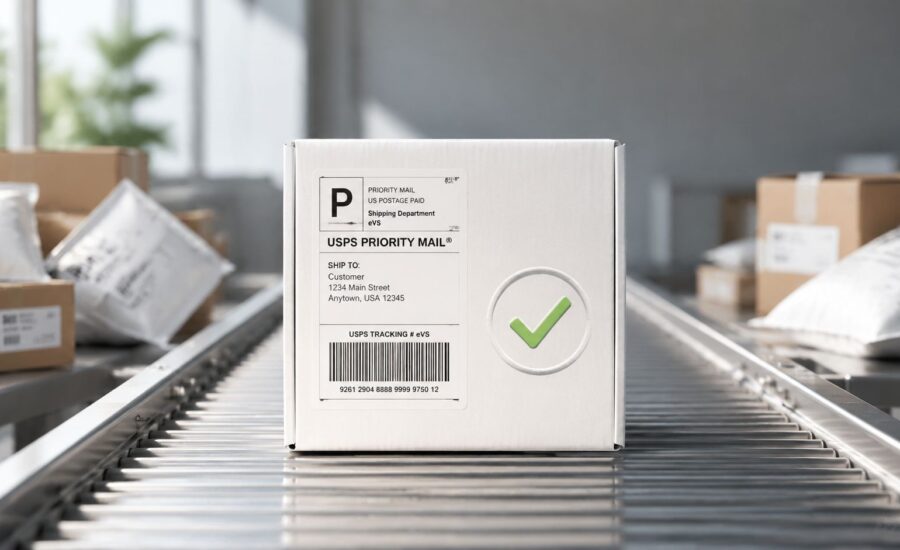
A clean claim is a claim with no defect or missing information that can be processed without special handling, and under the No Surprises Act framework, that status starts the payer's 30-calendar-day initial payment-or-denial clock. If the

A 100% increase in clinical documentation audits, combined with final denial-dollar increases of 34% for professional claims, 84% for hospital outpatient claims, and 148% for hospital inpatient claims, has changed the financial role of the medical record.

20% of in-network claims were denied in 2023, 36% of out-of-network claims were denied, and fewer than 1% of denied claims were appealed. That means insurance claim disputes aren't rare edge cases, they're a structural part of

Prior authorization denials aren't rare friction, they're a routine feature of managed care. In a federal review of Medicaid managed care, plans denied one out of every eight prior authorization requests, an average denial rate of 12.5%.

