A facility claim can contain the right diagnosis, a valid CPT or HCPCS code, accurate units, and complete documentation, yet still fail at adjudication. The error may be a single revenue code that places the service in


A facility claim can contain the right diagnosis, a valid CPT or HCPCS code, accurate units, and complete documentation, yet still fail at adjudication. The error may be a single revenue code that places the service in

Up to 19% of in-network claims and 37% of out-of-network claims are denied, so the claim life cycle now requires aggressive post-adjudication enforcement. A claim isn't finished when it leaves the clearinghouse, or even when the payer
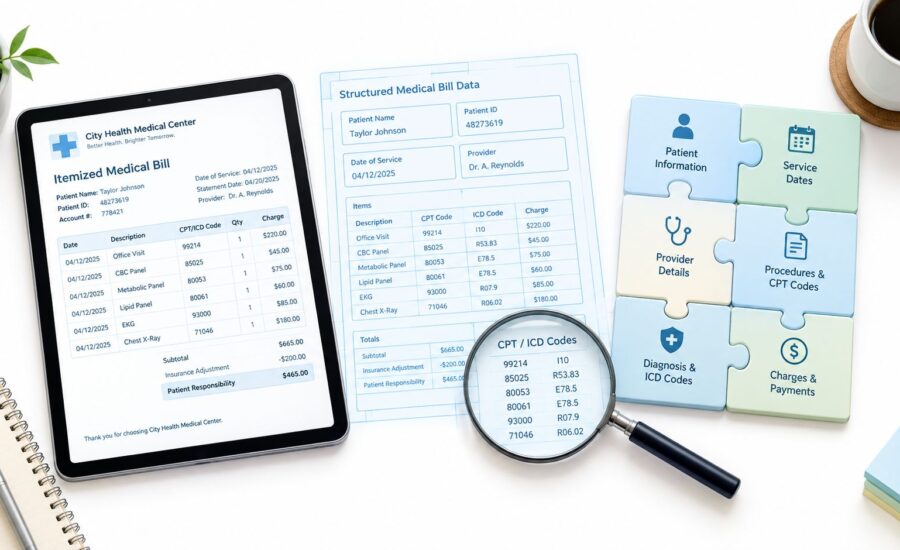
Most advice about the format of medical bills starts with the patient: define the abbreviations, explain the balance, and make the statement easier to read. That advice is useful, but incomplete. For a specialty practice, a medical

A net collection rate below 90% is a practical warning sign that revenue is leaking through more than one process, not that a few claims were written off. Industry guidance identifies denial management, underpayment follow-up, weak patient

A claim can fail after a clinically appropriate service, accurate documentation, and correct coding because one identifier doesn't match the payer's record. The patient was seen, the procedure was performed, and the practice did its work. Yet
A clean claim is a claim with no defect or missing information that can be processed without special handling, and under the No Surprises Act framework, that status starts the payer's 30-calendar-day initial payment-or-denial clock. If the

The biggest mistake in medical billing denial management is treating denials like a cleanup queue. That mindset keeps teams busy, but it doesn't protect cash. Across U.S. healthcare, about 77% of denials are administrative rather than clinical,
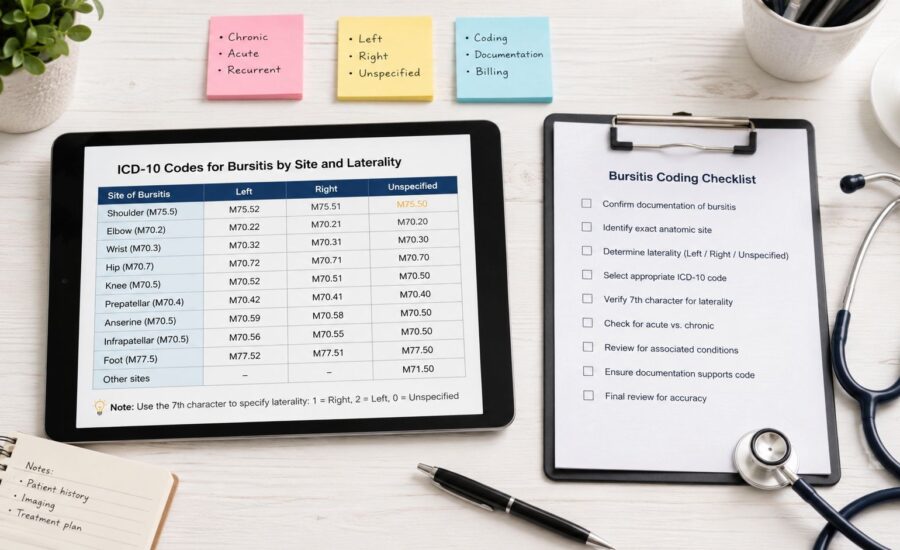
You're reviewing a chart that just says “bursitis,” the claim is waiting to go out, and the coder has to decide whether that one word is enough to survive payer edits. In practice, bursitis ICD 10 isn't

Data from the National Association of Insurance Commissioners shows that 28% of dual-coverage claims are initially billed to the wrong payer due to automated eligibility errors. For a specialty practice, that isn't a front-end nuisance. It's a

Healthcare revenue cycle management solutions matter because margin is often lost after a claim is submitted, not before. In specialties that face routine downcoding, payment variance, and delayed adjudication, clean claims alone do not protect cash. That

