Prior authorization denials aren't rare friction, they're a routine feature of managed care. In a federal review of Medicaid managed care, plans denied one out of every eight prior authorization requests, an average denial rate of 12.5%.


Prior authorization denials aren't rare friction, they're a routine feature of managed care. In a federal review of Medicaid managed care, plans denied one out of every eight prior authorization requests, an average denial rate of 12.5%.

A Type 2 NPI is the 10-digit National Provider Identifier assigned to a healthcare organization, not an individual provider. It's the identifier that sits on the billing side of the claim, so the payer knows which legal

The U.S. healthcare denial management market reached $5.13 billion in 2024 and is projected to reach $8.93 billion by 2030, with projected CAGR of 9.67% to 9.68% according to this market report summary. That number matters because

Your billing team is working denials every morning, your front desk is still chasing eligibility after the visit, and your physicians are asking the same question every month: why are collections lagging when volume hasn't collapsed? That
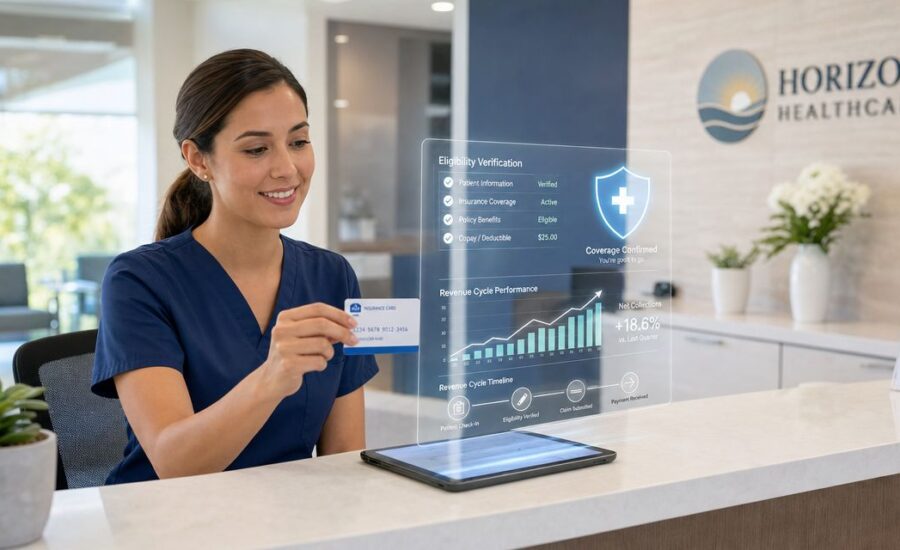
A patient hands your front desk a current insurance card. The visit happens. The claim goes out clean, at least on the surface. Then the remittance lands with an eligibility denial, or a benefit limitation nobody caught,
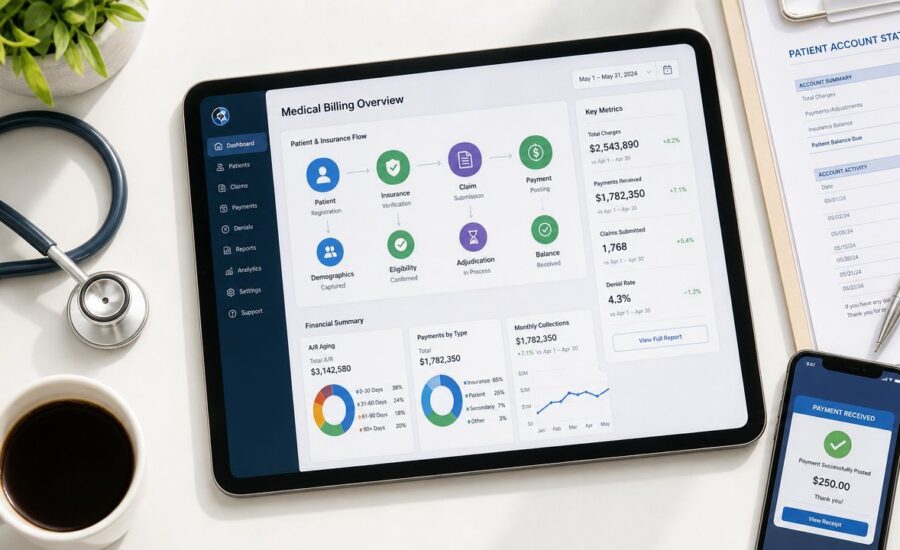
In 2024, 36% of U.S. households had medical debt, and among people contacted about at least one bill, the average amount under collection was $7,931, according to a peer-reviewed analysis in PubMed Central on medical debt and

An aircraft launches on a legitimate emergency. The crew documents the transport, the patient reaches definitive care, and the clinical mission is done. Then the remittance arrives and the payment bears little resemblance to the operational cost,

