A facility claim can contain the right diagnosis, a valid CPT or HCPCS code, accurate units, and complete documentation, yet still fail at adjudication. The error may be a single revenue code that places the service in


A facility claim can contain the right diagnosis, a valid CPT or HCPCS code, accurate units, and complete documentation, yet still fail at adjudication. The error may be a single revenue code that places the service in

A specialty clinic can do everything right clinically and still lose revenue before the claim reaches the payer. A patient arrives for a planned procedure, the insurance card looks current, and the policy returns as active. Later,

Days in AR equals Accounts Receivable divided by Average Daily Credit Revenue. For example, $1,200,000 in net AR divided by $25,000 in daily revenue produces 48 days. That calculation looks simple on a revenue-cycle report. In practice,

A denial rate of 20% across all claims was reported for insurers offering qualified health plans on HealthCare.gov in 2024, with 19% of in-network claims and 37% of out-of-network claims denied. KFF's analysis of 2024 claims denials
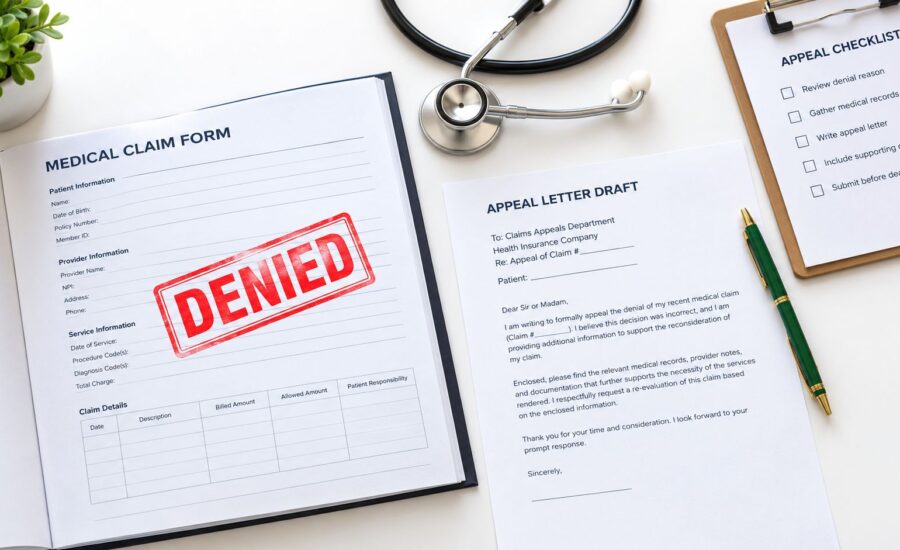
The denial arrives after the procedure, when everyone assumes the account is finished. A billing coordinator opens the EOB and sees CO-50, followed by N-10, on a high-value outpatient claim. The payer isn't saying the service didn't

You pull the monthly aging run, sort descending by balance, and your eye goes straight to the oldest bucket. That reaction is normal. It's also where a lot of billing teams lose the plot. In specialty practices,
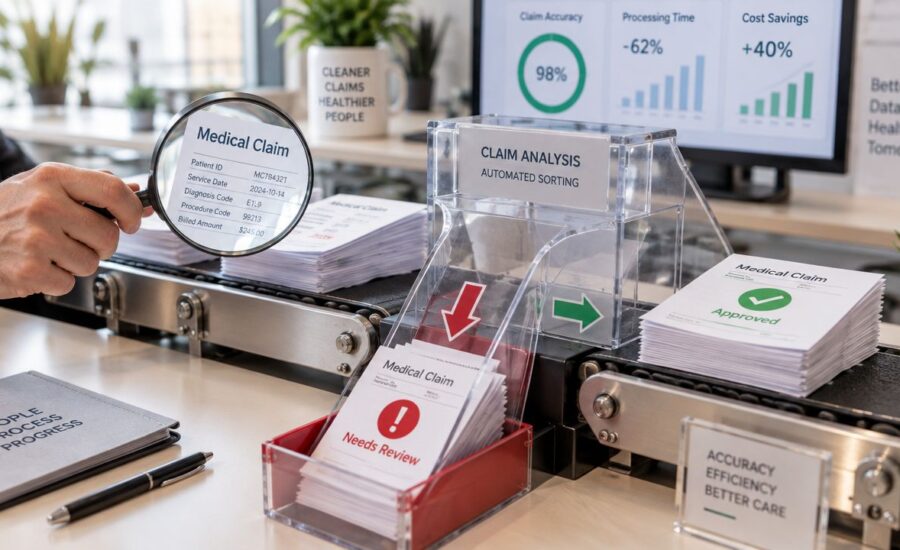
A denied claim can look like a small administrative interruption, but the scale tells a different story. In U.S. healthcare billing, denial rates reached 11.8% in 2024, compared with 10.2% in 2020, and initially denied claims have

The American Hospital Association reported that Medicare and Medicaid underpayments totaled $100.4 billion in 2020, up from $75.8 billion in 2019. Medicare payments covered only 84 cents per dollar of hospital cost, while Medicaid covered 88 cents,

A clean claim arrives with the right diagnosis, the right modifiers, and complete documentation. The payer processes it, but the payment lands below the contracted amount. Nobody can immediately say whether the cause was an outdated fee

More than 1.46 million disputes were initiated under the No Surprises Act independent dispute resolution process in 2024, more than double the prior year's volume and more than seven times the 2022 level, according to the Congressional

