A specialty practice can submit a claim that looks complete, medically supported, and correctly formatted, then watch it stall in a payer portal. The denial may arrive weeks later with a reason that traces back to an


A specialty practice can submit a claim that looks complete, medically supported, and correctly formatted, then watch it stall in a payer portal. The denial may arrive weeks later with a reason that traces back to an
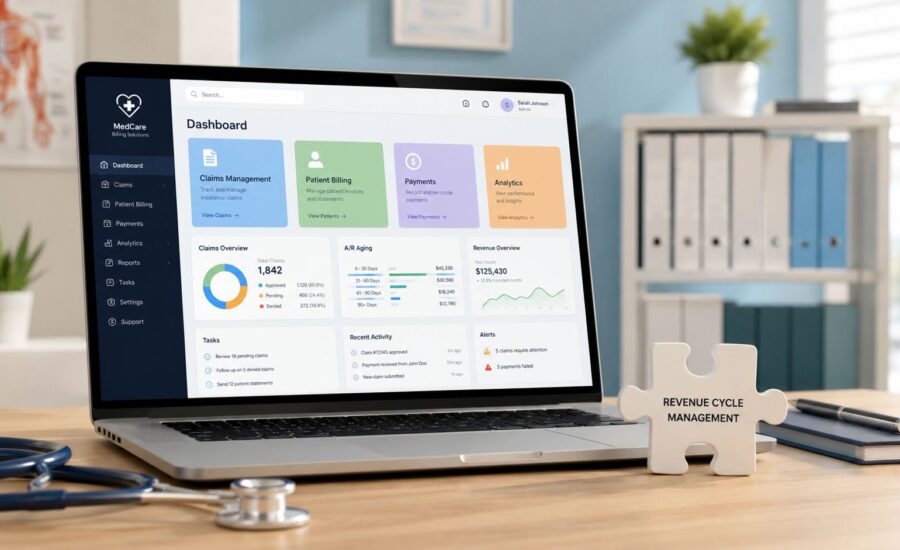
You can have clean claims in the queue and still watch cash leak out the back end. That's the daily reality for specialty groups right now, payer edits get tighter, denials come back with thin explanations, and

The denial hit the inbox, the EOBs are stacked on the desk, and somebody in the billing office is already asking whether this one is worth fighting. That's the right moment to slow down, because most appeals

The first clue usually shows up months late. A payer remits a claim as paid in full, the posting team closes it, and only after a contract review or an IDR packet does the underpayment surface, buried

20% of in-network claims were denied in 2023, 36% of out-of-network claims were denied, and fewer than 1% of denied claims were appealed. That means insurance claim disputes aren't rare edge cases, they're a structural part of

Prior authorization denials aren't rare friction, they're a routine feature of managed care. In a federal review of Medicaid managed care, plans denied one out of every eight prior authorization requests, an average denial rate of 12.5%.

Out-of-network billing isn't just a patient complaint problem anymore. In a major national study published in JAMA Internal Medicine, the share of emergency department visits with at least one out-of-network bill rose from 32.3% in 2010 to
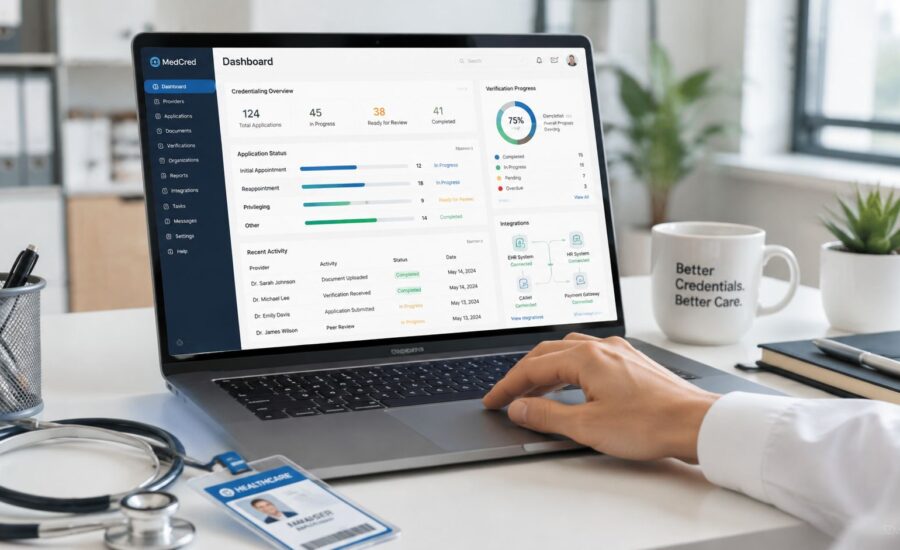
You're probably living the same mess right now, a new provider has been hired, the welcome email went out, the roster looks “done,” and then weeks later claims start stalling because enrollment never caught up with credentialing.

The most practical measure of ICD-10-CM quality isn't whether a code exists. It's whether the claim survives payer scrutiny after the coder applies the rules, and the world evidence shows that coded data can be only moderately

39 prior authorizations per physician per week, plus about 13 hours of staff time, is what the average practice is dealing with in 2024, and 31% of physicians say those requests are often or always denied. For

